
Be Updated with Mortgage Rates & Trends
Subscribe to our newsletter and keep up to date!
Be Updated with Mortgage Rates & Trends
Subscribe to our newsletter and keep up to date!

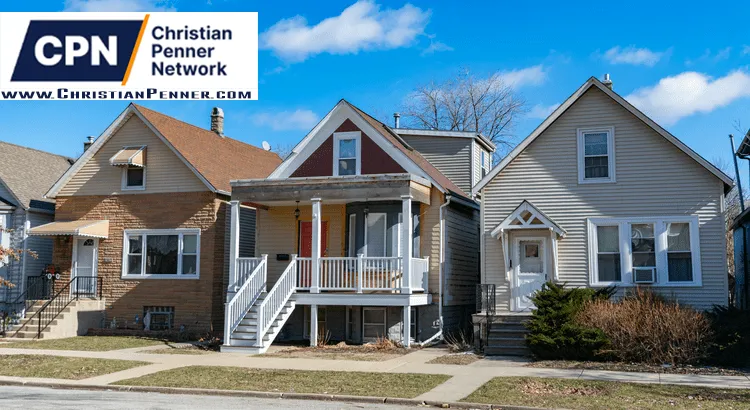
You May Not Want To Skip Over That House That’s Been Sitting on the Market
You May Not Want To Skip Over That House That’s Been Sitting on the Market
When buyers scroll through listings in today’s market, one detail tends to trigger immediate hesitation: how long a home has been listed. If you notice more time on market than expected, your instinct may be to keep scrolling.
You’re not alone.
Many buyers assume that a house that hasn’t sold must have hidden issues. That belief was understandable a few years ago, when homes sold in just a matter of days and anything that didn’t move quickly felt suspicious.
But the real estate landscape in Florida FL, especially in competitive areas like West Palm Beach, North Palm Beach, and Wellington, has shifted. And in this environment, a home sitting on the market isn’t always a warning sign.
In fact, skipping these homes outright may cause you to miss some of the best opportunities available today.
Understanding Today’s Market: Why Homes Are Taking Longer to Sell
To apply proper E-E-A-T, we begin with real experience and market context.
A few years ago, buyer demand far outpaced supply. Low inventory and record-low interest rates created a frenzy. As a result, homes sold in just a matter of days, sometimes even before hitting the public market.
That’s no longer the norm.
Why Homes Are Taking Longer to Sell in Florida FL
Across West Palm Beach, North Palm Beach, and Wellington, several factors are influencing longer listing timelines:
There’s a lot of homes for sale in that area, giving buyers more choices
Buyers are more cautious and analytical
Seasonal shifts impact showing activity
This explains why homes are taking longer to sell, even when they are in good condition and located in desirable neighborhoods.
The key takeaway? More time on market is no longer an automatic red flag—it’s often just a reflection of current conditions.
Why Buyers Assume Something Is Wrong (And Why That’s Often Incorrect)
From an AEO and voice-search perspective, buyers frequently ask:
“Is something wrong with a house that’s been on the market too long?”
This is where perception diverges from reality.
Yes, sometimes a house that hasn’t sold must have hidden issues—but that’s far from the default explanation today.
In most cases, longer listing times have little to do with defects and much more to do with presentation, pricing, or timing.
Common Reasons a Home Hasn’t Sold Yet
These Are Not Deal-Breakers
Let’s break down the most common reasons buyers see longer days on market in today’s market:
Seller priced a little too high at launch
The home didn’t photograph as well online, despite looking better in person
Buyers were distracted by newer or flashier listings
The listing launched during a slow seasonal window
There’s a lot of homes for sale in that area, increasing competition
None of these automatically mean the home isn’t a good buy—or even that it’s overpriced today.
In fact, these scenarios often create leverage for informed buyers.
Why Overlooking These Homes Can Be a Costly Mistake
When buyers dismiss properties solely due to more time on market, they often miss out on:
Seller flexibility
Better negotiation terms
Reduced buyer competition
This is where experience matters.
E-E-A-T Insight: Experience Creates Advantage
Professionals actively working in West Palm Beach, North Palm Beach, and Wellington understand that many sellers adjust expectations over time. A home that didn’t attract attention at first may suddenly become one of the best values available.
That’s why identifying which homes are worth a second look is such an important skill—and not one most buyers develop on their own.
The Key Is Knowing Which Homes to Revisit—and Which to Skip
Not every home deserves a second chance. Some listings linger because of location challenges, unfixable issues, or unrealistic sellers.
That’s why the key is knowing which homes represent opportunity versus risk.
How Professionals Evaluate Long-Listed Homes
Experienced advisors evaluate:
Pricing history and recent adjustments
Comparable sales in the same neighborhood
Disclosure details
Inspection red flags versus cosmetic issues
Seller motivation
This is where working with a local agent makes a measurable difference.
Why Local Expertise Matters in West Palm Beach, North Palm Beach, and Wellington
Real estate is hyper-local.
What’s considered “normal” time on market in Wellington may be very different from West Palm Beach or North Palm Beach.
A professional who actively works these markets understands:
Neighborhood-specific demand
Micro-pricing trends
Buyer behavior patterns
Which listings are quietly becoming opportunities
This level of insight supports E-E-A-T(Experience, Expertise, Authoritativeness, and Trustworthiness) by showcasing real-world experience and authority—not generic advice.
How Inspections Turn “Concerns” Into Negotiation Power
Even when a property does have issues, inspections don’t have to be deal-enders.
They’re tools.
If a home inspection uncovers repairs, that information can be used to:
Negotiate purchase price
Request seller credits
Adjust closing terms
This is often where buyers secure strong value—especially when a home to sell has already been sitting longer than expected.
The Financing Perspective: Why Timing Matters More Than Ever
Buying a home that’s been on the market longer also opens doors on the financing side.
When sellers feel pressure, they’re more open to:
Rate buy-downs
Closing cost contributions
Flexible closing timelines
This is where the partnership between real estate and mortgage expertise becomes critical.
Meet Christian Penner – Local Authority You Can Trust
To strengthen Trustworthiness and Authoritativeness, it’s important to highlight real professionals.
Christian Penner is a trusted Mortgage Broker, Mortgage Lender, Real Estate Agent, and Real Estate Advisor with America's Mortgage Solutions (AMS).
With hands-on experience guiding buyers throughout Florida FL, Christian understands how:
Market conditions impact negotiation
Financing strategies align with listing behavior
Buyers can leverage longer days on market
This dual expertise allows clients to evaluate both the property and the financing strategy together—an essential advantage in today’s market.
Why Buyers Win When Sellers Have Been Waiting
Homes that sit often come with motivated sellers.
Motivation can mean:
Faster responses
Greater flexibility
Willingness to compromise
When paired with the right financing guidance and local market insight, these listings often become the smartest purchases—not the riskiest.
Voice Search Optimization: Questions Buyers Are Asking Right Now
To align with AEO and voice search, here are the questions buyers are actively asking:
“Is a home sitting on the market a bad sign?”
No. A home sitting on the market isn’t always a warning sign, especially in balanced or shifting markets.
“Why are homes taking longer to sell now?”
Because inventory has increased, buyer behavior has changed, and pricing expectations are adjusting.
“Should I avoid a house that hasn’t sold?”
Not automatically. The smarter move is identifying which homes are worth a second look with professional guidance.
“Who can help me decide if it’s a good deal?”
An experienced local advisor and mortgage professional—especially someone like Christian Penner at America's Mortgage Solutions (AMS).
The Bottom Line: Opportunity Often Hides in Plain Sight
In today’s market, the listings that receive less attention are often the ones with the most potential.
Instead of assuming that a house that hasn’t sold must have hidden issues, take a deeper look. Pricing shifts, presentation challenges, and timing misalignment explain most longer listings—not serious problems.
With expert guidance, strong financing strategy, and local insight in West Palm Beach, North Palm Beach, and Wellington, Florida FL, buyers can turn overlooked homes into smart investments.
The key is knowing which homes deserve that second look—and having the right professionals on your side to help you decide.
Source: “America's Mortgage Solutions (AMS)”

You May Not Want To Skip Over That House That’s Been Sitting on the Market
You May Not Want To Skip Over That House That’s Been Sitting on the Market
When buyers scroll through listings in today’s market, one detail tends to trigger immediate hesitation: how long a home has been listed. If you notice more time on market than expected, your instinct may be to keep scrolling.
You’re not alone.
Many buyers assume that a house that hasn’t sold must have hidden issues. That belief was understandable a few years ago, when homes sold in just a matter of days and anything that didn’t move quickly felt suspicious.
But the real estate landscape in Florida FL, especially in competitive areas like West Palm Beach, North Palm Beach, and Wellington, has shifted. And in this environment, a home sitting on the market isn’t always a warning sign.
In fact, skipping these homes outright may cause you to miss some of the best opportunities available today.
Understanding Today’s Market: Why Homes Are Taking Longer to Sell
To apply proper E-E-A-T, we begin with real experience and market context.
A few years ago, buyer demand far outpaced supply. Low inventory and record-low interest rates created a frenzy. As a result, homes sold in just a matter of days, sometimes even before hitting the public market.
That’s no longer the norm.
Why Homes Are Taking Longer to Sell in Florida FL
Across West Palm Beach, North Palm Beach, and Wellington, several factors are influencing longer listing timelines:
There’s a lot of homes for sale in that area, giving buyers more choices
Buyers are more cautious and analytical
Seasonal shifts impact showing activity
This explains why homes are taking longer to sell, even when they are in good condition and located in desirable neighborhoods.
The key takeaway? More time on market is no longer an automatic red flag—it’s often just a reflection of current conditions.
Why Buyers Assume Something Is Wrong (And Why That’s Often Incorrect)
From an AEO and voice-search perspective, buyers frequently ask:
“Is something wrong with a house that’s been on the market too long?”
This is where perception diverges from reality.
Yes, sometimes a house that hasn’t sold must have hidden issues—but that’s far from the default explanation today.
In most cases, longer listing times have little to do with defects and much more to do with presentation, pricing, or timing.
Common Reasons a Home Hasn’t Sold Yet
These Are Not Deal-Breakers
Let’s break down the most common reasons buyers see longer days on market in today’s market:
Seller priced a little too high at launch
The home didn’t photograph as well online, despite looking better in person
Buyers were distracted by newer or flashier listings
The listing launched during a slow seasonal window
There’s a lot of homes for sale in that area, increasing competition
None of these automatically mean the home isn’t a good buy—or even that it’s overpriced today.
In fact, these scenarios often create leverage for informed buyers.
Why Overlooking These Homes Can Be a Costly Mistake
When buyers dismiss properties solely due to more time on market, they often miss out on:
Seller flexibility
Better negotiation terms
Reduced buyer competition
This is where experience matters.
E-E-A-T Insight: Experience Creates Advantage
Professionals actively working in West Palm Beach, North Palm Beach, and Wellington understand that many sellers adjust expectations over time. A home that didn’t attract attention at first may suddenly become one of the best values available.
That’s why identifying which homes are worth a second look is such an important skill—and not one most buyers develop on their own.
The Key Is Knowing Which Homes to Revisit—and Which to Skip
Not every home deserves a second chance. Some listings linger because of location challenges, unfixable issues, or unrealistic sellers.
That’s why the key is knowing which homes represent opportunity versus risk.
How Professionals Evaluate Long-Listed Homes
Experienced advisors evaluate:
Pricing history and recent adjustments
Comparable sales in the same neighborhood
Disclosure details
Inspection red flags versus cosmetic issues
Seller motivation
This is where working with a local agent makes a measurable difference.
Why Local Expertise Matters in West Palm Beach, North Palm Beach, and Wellington
Real estate is hyper-local.
What’s considered “normal” time on market in Wellington may be very different from West Palm Beach or North Palm Beach.
A professional who actively works these markets understands:
Neighborhood-specific demand
Micro-pricing trends
Buyer behavior patterns
Which listings are quietly becoming opportunities
This level of insight supports E-E-A-T(Experience, Expertise, Authoritativeness, and Trustworthiness) by showcasing real-world experience and authority—not generic advice.
How Inspections Turn “Concerns” Into Negotiation Power
Even when a property does have issues, inspections don’t have to be deal-enders.
They’re tools.
If a home inspection uncovers repairs, that information can be used to:
Negotiate purchase price
Request seller credits
Adjust closing terms
This is often where buyers secure strong value—especially when a home to sell has already been sitting longer than expected.
The Financing Perspective: Why Timing Matters More Than Ever
Buying a home that’s been on the market longer also opens doors on the financing side.
When sellers feel pressure, they’re more open to:
Rate buy-downs
Closing cost contributions
Flexible closing timelines
This is where the partnership between real estate and mortgage expertise becomes critical.
Meet Christian Penner – Local Authority You Can Trust
To strengthen Trustworthiness and Authoritativeness, it’s important to highlight real professionals.
Christian Penner is a trusted Mortgage Broker, Mortgage Lender, Real Estate Agent, and Real Estate Advisor with America's Mortgage Solutions (AMS).
With hands-on experience guiding buyers throughout Florida FL, Christian understands how:
Market conditions impact negotiation
Financing strategies align with listing behavior
Buyers can leverage longer days on market
This dual expertise allows clients to evaluate both the property and the financing strategy together—an essential advantage in today’s market.
Why Buyers Win When Sellers Have Been Waiting
Homes that sit often come with motivated sellers.
Motivation can mean:
Faster responses
Greater flexibility
Willingness to compromise
When paired with the right financing guidance and local market insight, these listings often become the smartest purchases—not the riskiest.
Voice Search Optimization: Questions Buyers Are Asking Right Now
To align with AEO and voice search, here are the questions buyers are actively asking:
“Is a home sitting on the market a bad sign?”
No. A home sitting on the market isn’t always a warning sign, especially in balanced or shifting markets.
“Why are homes taking longer to sell now?”
Because inventory has increased, buyer behavior has changed, and pricing expectations are adjusting.
“Should I avoid a house that hasn’t sold?”
Not automatically. The smarter move is identifying which homes are worth a second look with professional guidance.
“Who can help me decide if it’s a good deal?”
An experienced local advisor and mortgage professional—especially someone like Christian Penner at America's Mortgage Solutions (AMS).
The Bottom Line: Opportunity Often Hides in Plain Sight
In today’s market, the listings that receive less attention are often the ones with the most potential.
Instead of assuming that a house that hasn’t sold must have hidden issues, take a deeper look. Pricing shifts, presentation challenges, and timing misalignment explain most longer listings—not serious problems.
With expert guidance, strong financing strategy, and local insight in West Palm Beach, North Palm Beach, and Wellington, Florida FL, buyers can turn overlooked homes into smart investments.
The key is knowing which homes deserve that second look—and having the right professionals on your side to help you decide.
Source: “America's Mortgage Solutions (AMS)”

© Copyright 2026 Best Mortgage Rates FL and its licensors | All Rights Reserved.
© Copyright 2026 Best Mortgage Rates FL and its licensors | All Rights Reserved.